Just three years ago, my training looked very different.
I was averaging four strength training sessions per week, seeing good progress across each four week cycle, and my body felt pretty good.
Then, I got diagnosed with my autoimmune condition, and all associated fatigue symptoms kept getting in the way of what I wanted my workouts to look like.
Since then, every time I feel like I’m getting back into a groove with my training and I can start to see the numbers climb again, something comes around the corner to knock me down a peg.
This year especially, I’ve had to continue to modify exercises, drop the weight where necessary, and some days, just pull off the very bare minimum just to call that the victory for the day.
Moving my body isn’t the issue, I get plenty of steps during a standard work day.
But it’s the actual training that continues to frustrate the hell out of me.
And as the Maya Angelou quote rings in my head: If you don’t like something, change it. If you can’t change it, change your attitude…
Turns out, I can do a little of both.
I can change what I need to in my training to get the time in and I can change my attitude about the things that are less than ideal so that I’m not in my head about it.
And the longer you’ve been in the gym, the more years you’ve spent toiling, the more you’ll realize that my experience is not uncommon.
Yes, I may have an autoimmune condition, and you might not, but the whole process and mindset around showing up when you don’t feel like it, putting in the work even when it’s not perfect, and continuing to modify around chaotic schedules, compromised recovery, and strength that doesn’t increase in a linear fashion, is what separates those who succeed and those who don’t.
I never believed that I would ride this wave where I could show up for training, 4 days a week indefinitely, and continue to rack up win after win.
Life isn’t like that and training sure as hell isn’t that way either.
Maybe you got started with your training when your schedule perfectly aligned for one small snapshot of time when you could show up for 8, 10, 12 workouts in a month.
And then life punched you in the mouth and you only showed up for 6 workouts, or maybe 4, and then you wanted to throw in the towel because you weren’t as “perfect” in attendance as you once were.
But that’s life.
You shift as priorities shift.
You play this game of musical chairs with work, family, health, self-care, etc.
And that’s what we ALL have to do.
So, yes, some days I feel like it’s one step forward and two steps back, but I’m okay with that.
If you made it to the door of the gym today, that’s a HUGE victory.
Celebrate it and keep showing up for yourself to do the work no one else can do for you, but you.
As wildly imperfect as it may be.
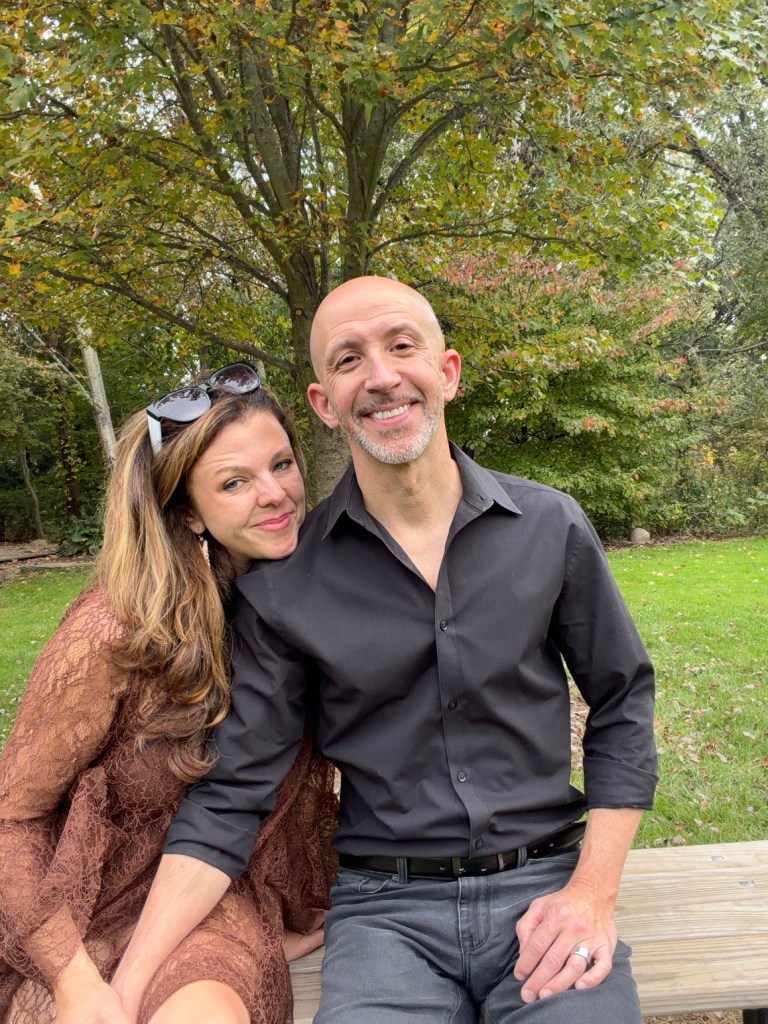
(Photo courtesy of Red Shuheart)